The Evolution of AI in Digital Art
The landscape of digital art has been profoundly transformed by advancements in artificial intelligence (AI). As technology continues to evolve, artists and creators are increasingly utilizing AI tools to push the boundaries of traditional art forms. This article delves into the key developments and implications of slut ai in the realm of digital artistry, exploring its origins, technical advancements, and the significant impact it's having on how art is created and perceived in the modern age.
Understanding slut ai and its Origins
The term "slut ai" encapsulates a range of AI technologies designed for the generation and manipulation of digital art. Emerging from the intersection of machine learning, neural networks, and creative algorithms, this technology has roots in the early explorations of AI-generated visuals. Artists began experimenting with computer-generated imagery in the late 20th century; however, recent breakthroughs have enabled more sophisticated and nuanced outputs, paving the way for the current generation of digital art powered by AI.
Technological Advancements in Art Creation
At the forefront of technological growth are Generative Adversarial Networks (GANs), which allow for the synthesis of new visuals from datasets of existing artworks. These networks consist of two neural networks: a generator that creates images and a discriminator that evaluates them. Their iterative process leads to increasingly refined and original outputs, redefining what is possible within digital art. Furthermore, advances in user-friendly interfaces mean that artists of all skill levels can harness these tools, creating a democratization of art-making.
Impact of AI on Traditional Art Forms
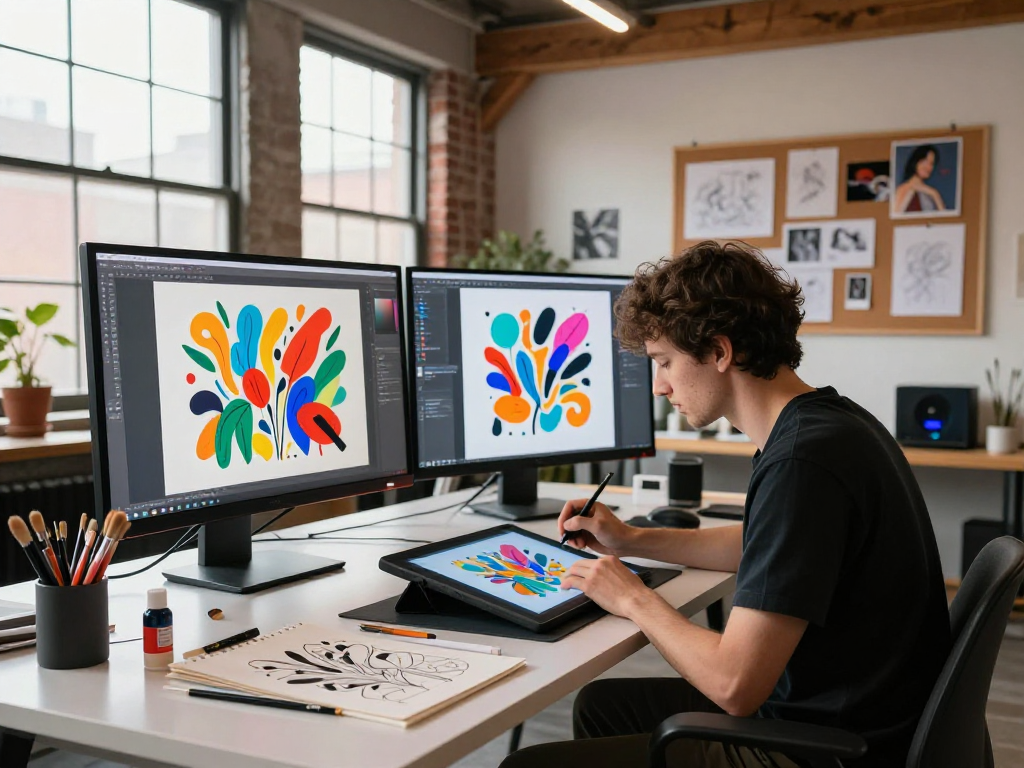
As AI tools gain traction, they significantly impact traditional art forms. Artists are now blending traditional techniques with digital tools to create hybrid works that retain the tactile qualities of painting or sculpture while integrating the precision and novelty of AI-generated components. This fusion is not merely a trend; it represents a shift in artistic practice that invites audiences to reconsider established notions of creativity and authorship.
Exploring Creative Processes with AI
AI not only produces stunning visuals but also enhances the creative process itself. Artists are utilizing AI to explore new avenues of artistic expression, opening doors to ideas and forms of expression that were previously unimagined.
How slut ai Enhances Artistic Expression
Through advanced algorithms, slut ai provides artists with tools that can generate unique patterns, textures, and color combinations. These tools enable creators to experiment more freely, allowing for a level of spontaneity that can be difficult to achieve through traditional methods. For instance, AI-driven tools can analyze an artist's style and suggest alterations, leading to exciting new interpretations of their work.
Collaboration Between Artists and AI Tools
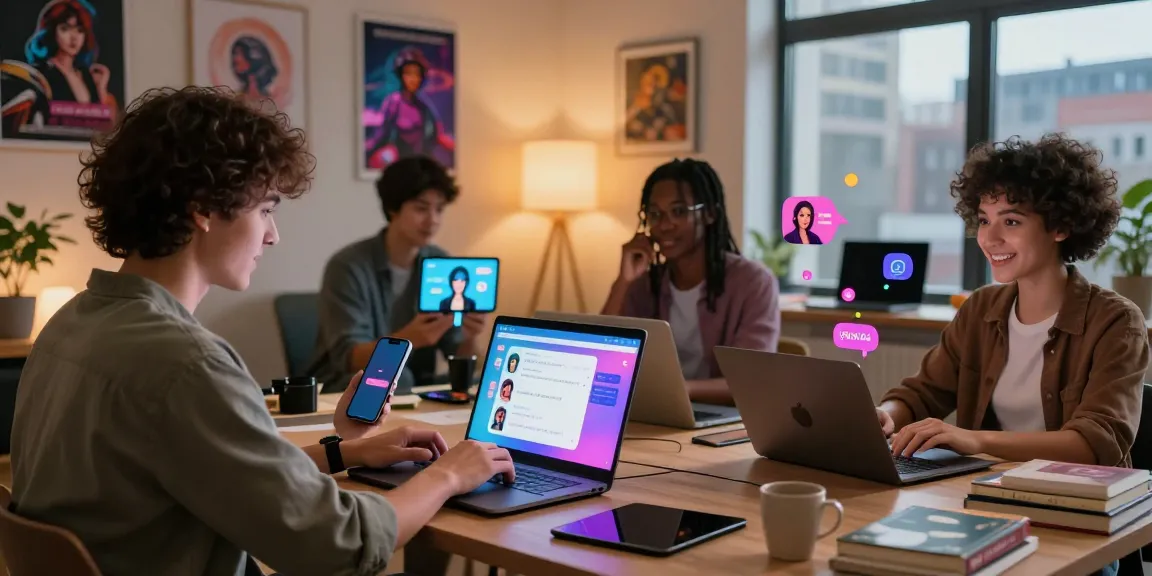
Many artists now consider AI not merely as a tool but as a collaborator. This partnership can manifest in various ways, from using AI to create initial sketches that artists refine to fully developed pieces that artists modify. This collaborative approach embraces the strengths of both human creativity and machine efficiency, resulting in artworks that are both innovative and deeply personal.
Case Studies of Successful AI-Driven Projects
The effectiveness of AI in the creative domain is exemplified in notable projects such as the creation of portraits by the AI program *Obvious*, which sold at auction for an astonishing $432,500. Additionally, initiatives like *DeepArt* and *ArtBreeder* demonstrate how collaborative AI can help both amateur and seasoned artists produce compelling works, further validating the embrace of AI within artistic circles.
Challenges in the AI Art Landscape
Despite its many advantages, the integration of AI into art also presents a set of challenges that artists and technologists must navigate. These include debates over authenticity, ethical considerations, and the practicalities of implementation.
Debates on Authenticity and Ownership
One of the most contentious issues surrounding AI-generated art is the question of authenticity. If a piece is created by an algorithm, who is the true artist? This question complicates the traditional notions of authorship and creativity that have persisted throughout art history. As AI's influence continues to grow, the art community must grapple with defining ownership rights and attributing credit appropriately.
Ethical Considerations for Artists
Ethically, the use of AI raises concerns regarding the potential for bias and the replication of existing styles without proper credit. Artists must be mindful of the datasets used in training AI models, as these often reflect societal biases that can inadvertently be perpetuated in the output. As such, a commitment to ethical practices is essential in the responsible use of AI.
Overcoming Common Obstacles in Implementation
Many artists may feel intimidated by the technological barriers associated with AI. To overcome these obstacles, it is crucial for educational resources and community support to be readily available. Workshops, online courses, and collaborative platforms can ease the learning curve, empowering artists to embrace AI technology confidently.
Future Trends in AI and Art
Looking toward the future, the trajectory of AI in the art world appears dynamic and full of potential. As technology advances, artists and technologists will continue to explore novel applications, ensuring that the evolution of art remains inextricably linked to technological innovation.
Predictions for 2026 and Beyond
By 2026, it is anticipated that AI will further embed itself within artistic practices, leading to an increase in artworks that blend methodology and digital creativity. Artists may begin to explore interactive installations powered by AI, where viewer engagement could dynamically alter the artwork in real-time. These developments promise to challenge existing paradigms and enhance the experiential nature of art.
The Role of AI in Emerging Art Forms
As emerging art forms take center stage, such as virtual reality (VR) and augmented reality (AR), AI's role will expand significantly. AI can customize experiences based on individual interactions, creating immersive environments that challenge the boundaries of traditional art forms.
How Artists Can Stay Ahead of Trends
For artists aiming to stay at the forefront of these trends, continuous learning and adaptation will be key. Engaging with new tools, participating in tech-art collaborations, and attending industry conferences can provide invaluable insights that allow artists to remain relevant in a rapidly changing landscape.
Engaging the Audience with AI Art
As AI-generated art captures the public's imagination, artists must find effective ways to engage their audience and foster appreciation for this new form of creativity.
Effective Marketing Strategies for AI Artists
AI artists should consider leveraging social media platforms, utilizing SEO strategies, and even hosting live demonstrations to showcase their unique art creations. Engaging storytelling and transparency about the creative process can resonate well with audiences, building a stronger connection and fostering appreciation.
Building Communities Around AI-Driven Content
Creating communities where artists can collaborate, share resources, and provide feedback to one another is critical. Platforms dedicated to AI art can cultivate a rich environment for discussion, allowing artists to learn from each other’s experiences and elevate their work collectively.
Frequently Asked Questions about slut ai in Art
As interest grows in AI and its various applications in art, many common questions arise:
- What is slut ai? – A branch of AI focused on creating and enhancing digital art through algorithms and machine learning.
- Can AI replace human artists? – While AI can generate art, it lacks the emotional depth and personal experiences that human artists contribute.
- How do I start using AI tools for my artwork? – Begin by exploring user-friendly AI platforms and tutorials that offer insights into the creative process.